
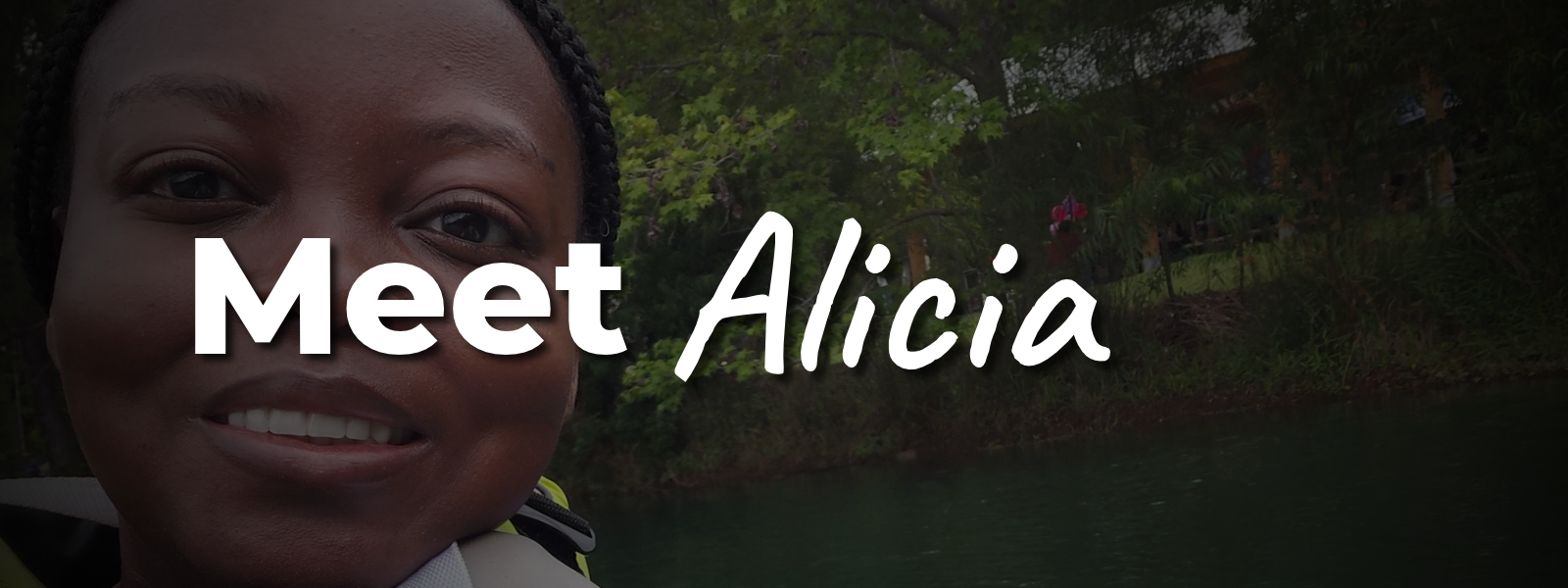
A Second Chance at Life
I was 26 when my life changed. I have always been independent. I had worked since I was 16, went to college, had my own home and was working two jobs. Then I started gaining weight. My legs were swollen and hurting, and eventually I became so short of breath that I had to sleep sitting up. Walking to the bathroom meant stopping to catch my breath. I knew something wasn't right.
I was eventually diagnosed with heart failure and congenital heart disease. My ejection fraction was just 11%. In what felt like an instant, I went from being completely independent to needing help with everyday life. Years later, I received a heart transplant.
My journey has taught me how connected our health really is. Today, I pay close attention to my blood pressure, A1C and creatinine because I also have diabetes and issues with my kidney function.
I encourage my family to know their numbers, too. Knowing where you stand gives you an opportunity to make changes and have important conversations with your care team.
My transplant gave me a second chance at life, and giving back is one way I show my appreciation for that gift. I've hosted blood drives, raised funds for the American Heart Association and shared my testimony with my church community in hopes that my story can help someone else.
I've been through a lot, but one of the biggest lessons I've learned is not to give up. You never know what's around the corner.
Today, taking care of my heart means something simple: my health comes first.
Don’t wait to track and understand your heart health numbers. Download this worksheet to write down your latest numbers, symptoms and any questions you have for your healthcare team, and take it to your next visit.